
Pet Microchip in Sevierville, TN: A Simple Step That Can Bring Your Pet Home
Pets are family, and when a pet goes missing, the fear can feel overwhelming. One of the simplest and most effective ways to protect your dog or cat is microchipping. At Sevier County Animal Shelter, we offer affordable microchipping because we believe every pet deserves the best chance of making it back home.
If you’re looking for a pet microchip in Sevierville, TN, we’re here to help.
Ask Us About Our $20 Microchip Service
Sevier County Animal Shelter provides microchipping for $20 per pet, with no appointment necessary during normal business hours. We use 24PetWatch microchips, and registration is included, so your pet’s information is immediately entered into the recovery database.
Microchipping is also included with all adoptions through the shelter.
What Is a Pet Microchip?
A pet microchip is not a GPS tracker, locator beacon, or tracking device. There’s no battery, no signal, and no way to follow your pet’s movements.
Instead, a microchip is a tiny, rice-sized chip encased in biocompatible glass. It’s implanted just beneath your pet’s skin. When a veterinarian, animal control officer, or shelter scans the chip, a unique identification number appears. That number is linked to your contact information in a pet recovery database, allowing lost pets to be reunited with their families.
Why Microchip Your Dog or Cat?
Many pet parents believe collars and ID tags are enough, and while they’re important, they aren’t foolproof.
Collars can break. Tags can fall off or become unreadable. Cats often slip out of collars entirely. Even well-trained pets can become startled, distracted by a scent, or escape unexpectedly.
A microchip provides permanent identification that cannot be removed, lost, or damaged. It’s a reliable backup plan when everything else fails.
Studies show microchipping works. Research published in the Journal of the American Veterinary Medical Association found that microchipped dogs were returned to their owners at more than twice the rate of dogs without microchips. For cats, the difference is even more dramatic. Microchipped cats are returned home up to 20 times more often than cats without microchips.
Does Microchipping Hurt?
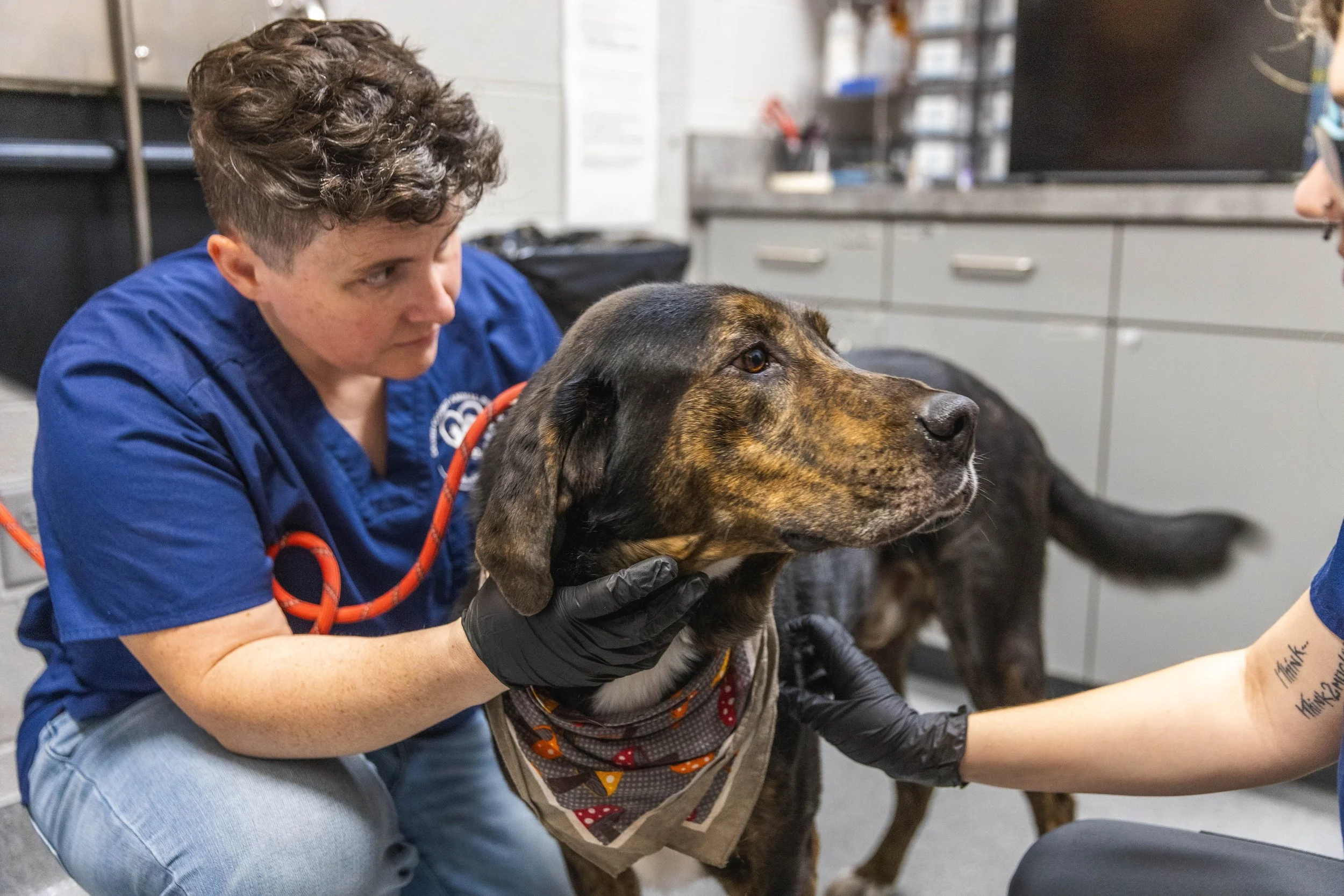
Microchipping is quick and causes no more discomfort than a routine vaccination. No surgery or anesthesia is required.
The microchip is injected under the loose skin between your pet’s shoulder blades using a sterile applicator. The process takes just seconds, and most pets react no differently than they would to a typical shot.
How Do Pet Microchips Work?
Microchips use radio-frequency identification (RFID) technology. When a scanner passes over the chip, it activates and transmits the pet’s unique ID number back to the scanner.
Shelters, veterinarians, and animal control agencies routinely scan stray or surrendered animals. Once the chip number is found, it’s used to search a registry database, which stores the pet parent’s name, phone number, address, email, and pet details.
This is why keeping your contact information up to date is critical. A microchip only works if the registry can reach you.
Where Is the Microchip Placed?
Microchips are typically implanted under the skin between a dog’s or cat’s shoulder blades. This location is universally recognized and helps ensure the chip stays in place and can be easily located by scanners.
The materials used are designed to last for your pet’s lifetime.
Pet Microchip FAQs
-
No. Microchips are not GPS devices and cannot track movement.
-
Collars can fail. Microchips provide permanent identification.
-
$20 per pet at Sevier County Animal Shelter. Registration is included.
-
Yes. Cats are far less likely to be returned home without microchips.
-
No. The chip only stores an ID number. Your information is protected within the registry.
-
No. One microchip typically lasts a lifetime.
We’re Here to Help
At Sevier County Animal Shelter, our mission is Unleashing Hope for pets and the people who love them. If you have questions about microchipping, want to check if your pet already has a chip, or need help updating registration information, we encourage you to reach out. We’re always happy to help you protect your pet.